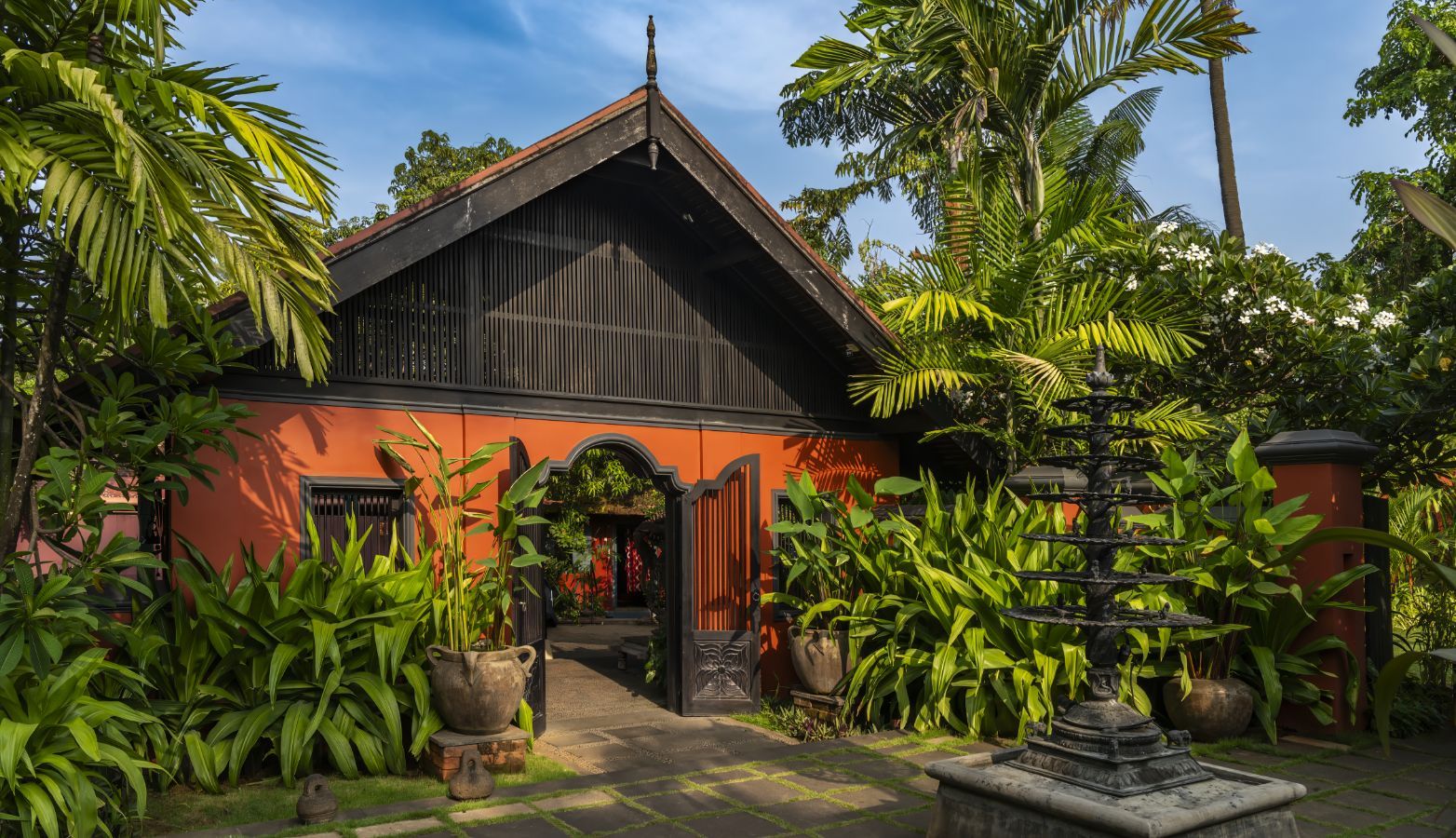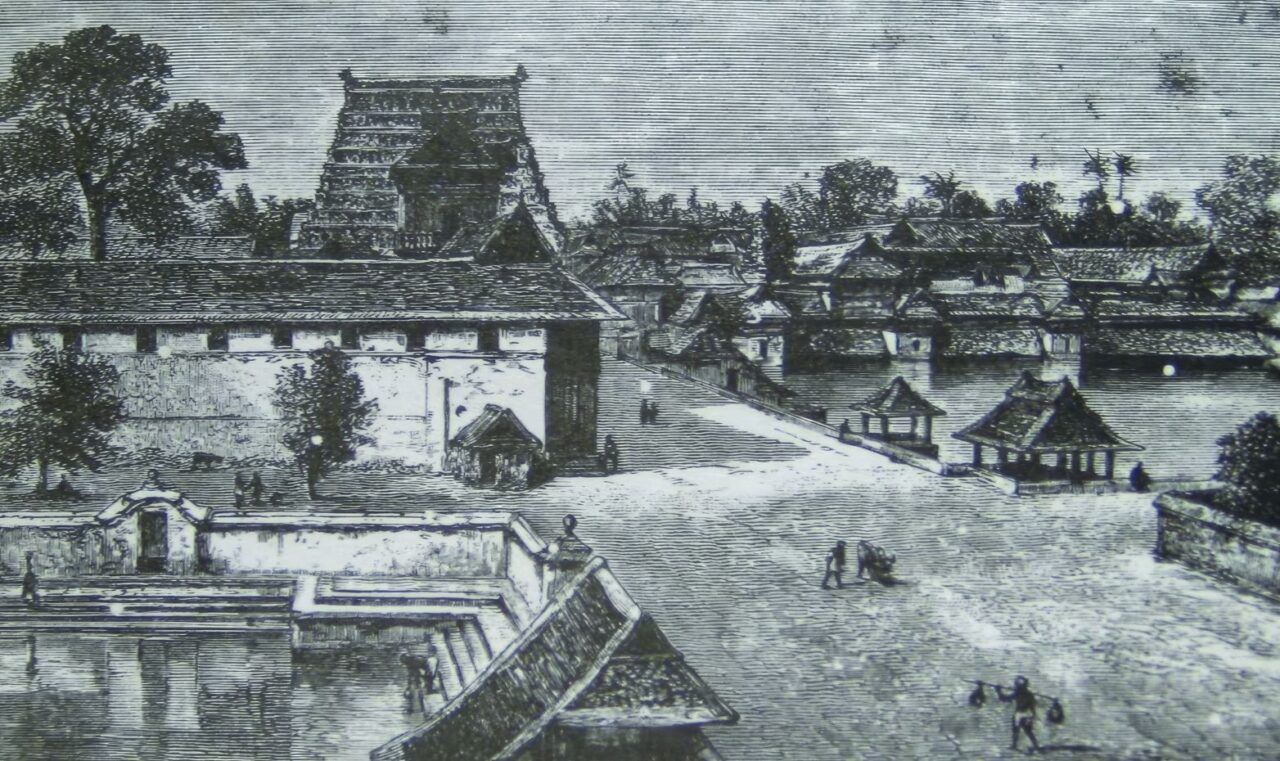
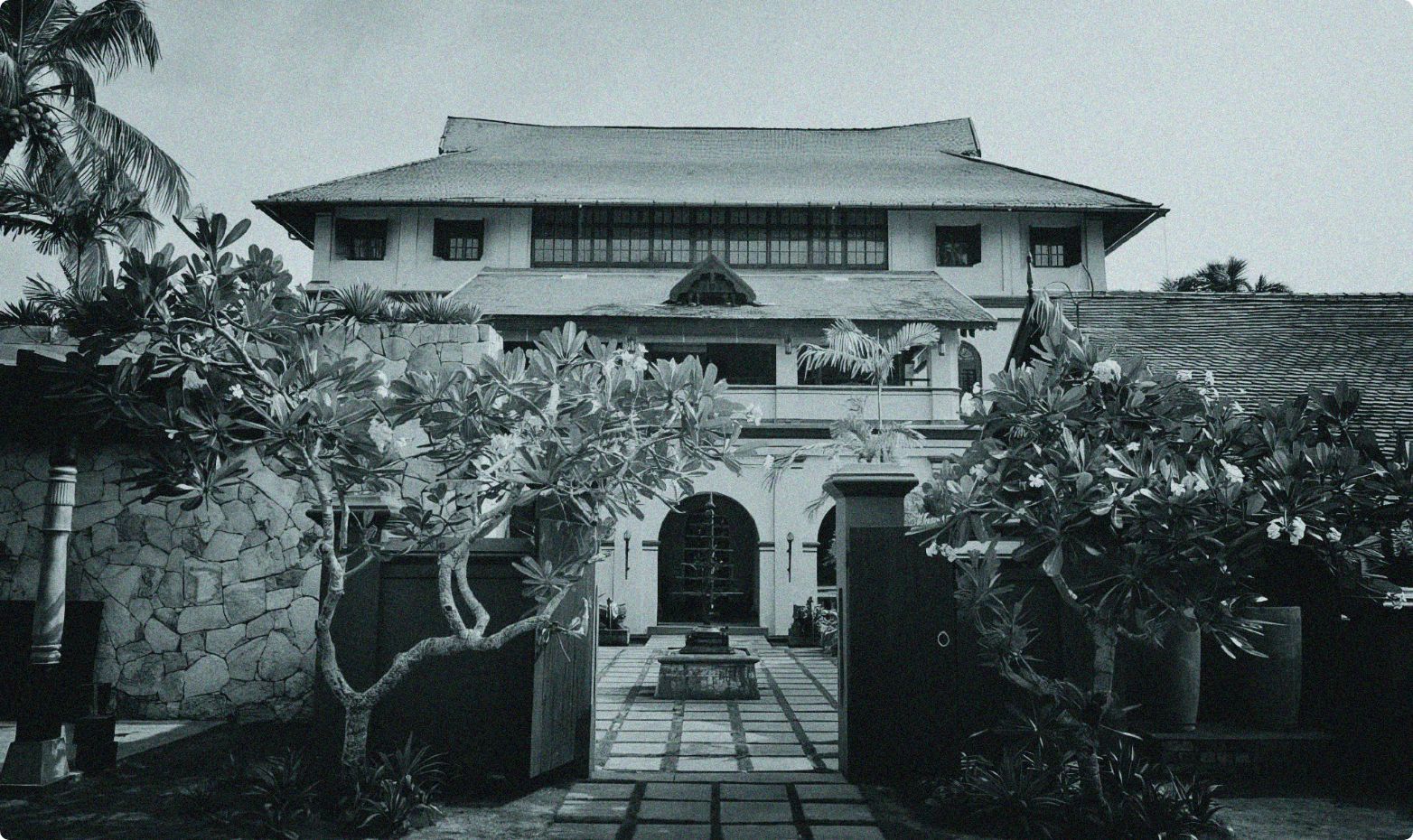
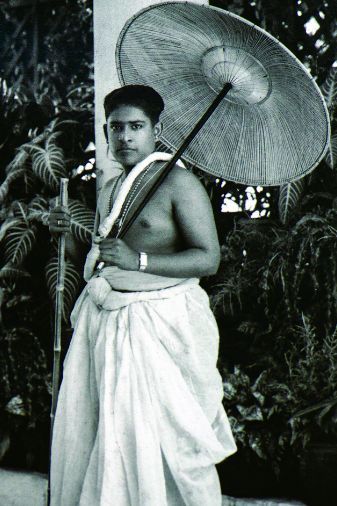
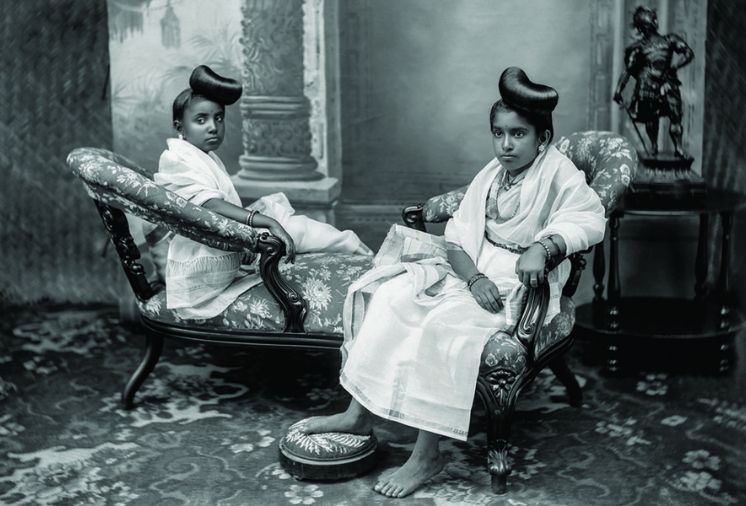
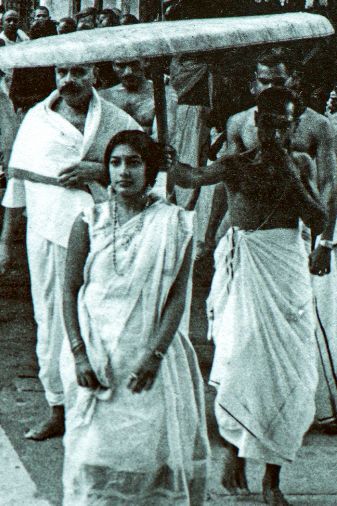
Villa Maya holds historical significance. It was one of the five prominent Ammaveedus in Thiruvananthapuram. The Ammaveedu buildings showcase a unique blend of the traditional architecture of Kerala and European colonial design. Using layouts following the ancient traditions of Vaastu, the Ammaveedus were named after the birthplaces of the Maharaja’s wives, signifying the importance of their origins.
The royal house of Travancore followed a matrilineal system, where the reigning queens were called Ammachi, their sons Thampi, and daughters Kochamma. Art, music and dance held a special place in the upbringing of young girls in the Ammaveedus. Eminent scholars were brought in to provide guidance and foster an appreciation for art and culture. After their marriage to the reigning king her uncles, brothers and other family members continued to reside in the Ammaveedu.
The extended Ammaveedu families held significance as relatives of the royal house, but marriage to the Maharaja did not confer upon them or their descendants the right to ascend the throne. Instead, the throne was inherited through the lineage of the King’s sister, never his own children. A brilliant solution to avoid any conflict of interest during the course of his reign.
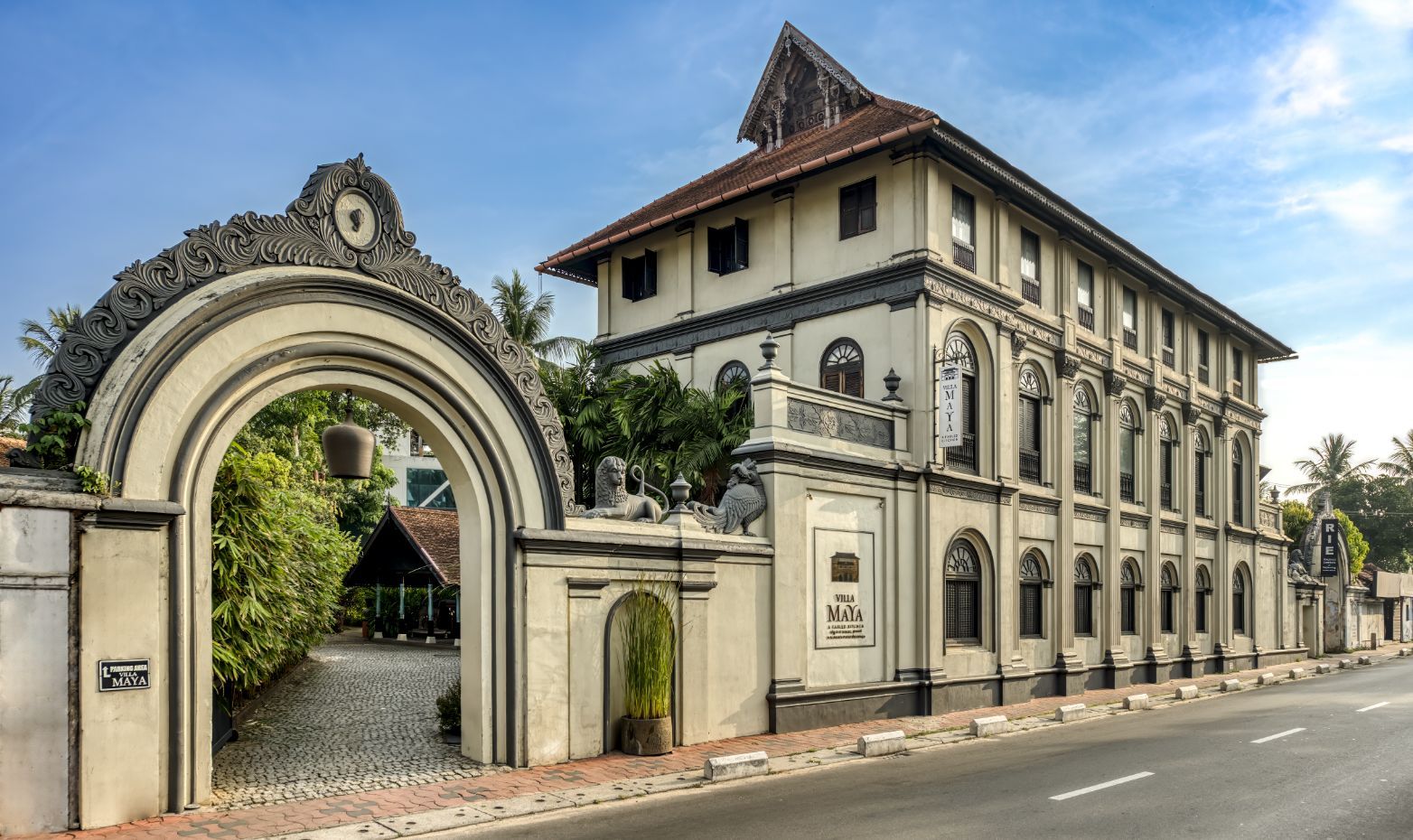
Arumana Ammaveedu, now Villa Maya, was restructured in 1858 by Yuvaraja Visakham Thirunal Rama Varma for his wife Bharati Lekshmi Pillai Ammachi. The architectural style of Arumana Ammaveedu replicates the style of Maharaja Visakham Thirunnal’s residence, Anantha Vilasam Palace, evident in the unique engravings on pillars and verandah.
Marriages of the reigning Maharajas were often conducted with brides from one of the Ammaveedu, and the wives continued to visit their families in royal splendour. Grand celebrations and cultural programs were held at Arumana Ammaveedu during important festivals. After Independence and the end of sovereign rule, many eminent personalities from the Ammaveedu family continued to reside in Arumana Ammaveedu for several years.
Today, in its resplendent avatar as Villa Maya, the place continues to preserve its classical architecture and traditional cuisine. The sophisticated style that emerged from this, reflects an illustrious legacy.
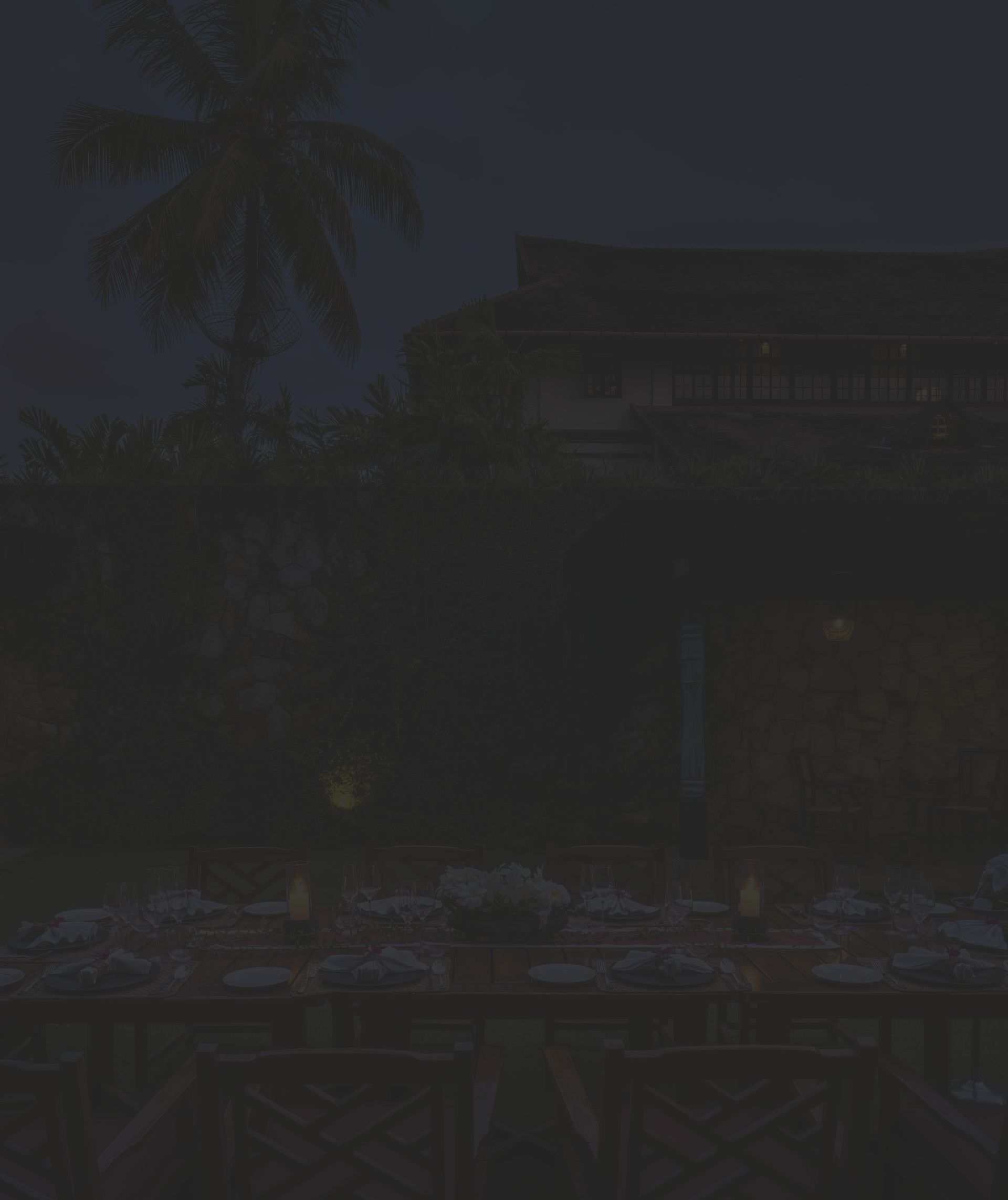
Experience utmost sophistication and unmatched refinement
against the backdrop of a sprawling Villa of historical significance.We are delighted to offer alternative and bespoke banqueting spaces
to accommodate your specific needs for exclusive occasions,
even the entire Villa if so desired.